
Choosing the right office chair is not simply about appearance or price. For furniture distributors, office furniture retailers, and commercial buyers, the decision involves several factors, including material performance, seating comfort, maintenance requirements, and the expectations of end users.
Among the most common options, mesh office chairs and upholstered office chairs remain popular choices for different working environments. Although both serve the same basic purpose, their construction and everyday performance can be quite different.
So, which type should you choose for your product range or workspace project? Understanding their differences can help you make a more practical purchasing decision.
1. Understanding Mesh Office Chairs
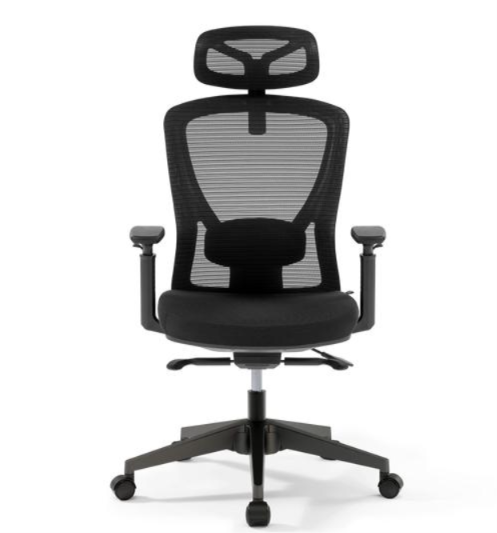
Mesh office chairs are designed with breathable mesh material across the backrest, and sometimes the seat. Their open structure allows air to circulate more freely than many traditional upholstered surfaces.
This makes them particularly suitable for offices where employees spend several hours sitting at their desks.
Key Advantages of Mesh Chairs
Better airflow: The open structure helps reduce heat buildup around the back, making mesh chairs a practical option for warm climates and busy office environments.
Modern appearance: Mesh chairs generally feature clean lines and a lightweight visual design. They fit naturally into contemporary offices, coworking spaces, and home workstations.
Flexible support options: Depending on the model, mesh office chairs can include adjustable headrests, lumbar support, reclining mechanisms, and height adjustment.
However, not all mesh chairs offer the same level of comfort. The quality of the mesh, frame structure, seat cushion, and backrest design should be considered together.
For example, an ergonomic mesh office chair with an adjustable headrest and lumbar support can provide more flexibility than a basic chair with a fixed backrest.
2. Understanding Upholstered Office Chairs
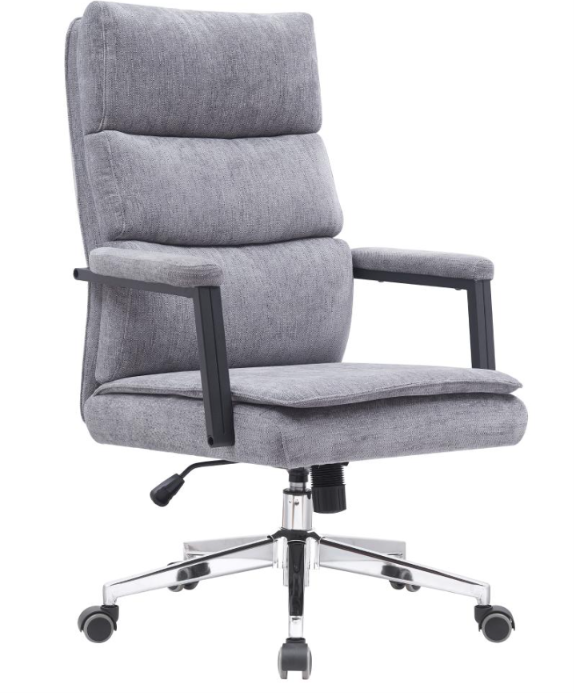
Upholstered office chairs typically use fabric, PU leather, or other covering materials over a padded seat and backrest.
Unlike mesh designs, these chairs focus more on cushioning, surface texture, and overall appearance.
Key Advantages of Upholstered Chairs
Cushioned seating: Foam padding provides a softer seating surface, which may appeal to users who prefer a traditional chair feel.
More design choices: Fabric and synthetic leather are available in different colors, textures, and finishes. This gives furniture brands more flexibility when developing product collections.
Suitable for different environments: Upholstered chairs can work well in executive offices, reception areas, meeting rooms, and home offices.
The main consideration is maintenance. Fabric may absorb dust or spills more easily, while PU leather requires appropriate care to maintain its surface condition.
Buyers should also pay attention to cushion density and recovery. A chair that feels soft during a short showroom test may not necessarily maintain the same comfort after repeated daily use.
3. Mesh vs. Upholstered Office Chairs: Key Differences
Before placing a bulk order, it helps to compare the two options based on actual purchasing requirements.
| Comparison Factor | Mesh Office Chair | Upholstered Office Chair |
|---|---|---|
| Air circulation | Generally better | Depends on covering material |
| Seating feel | More flexible, depending on mesh tension | Usually softer due to padding |
| Appearance | Modern and lightweight | Classic or executive style |
| Maintenance | Relatively easy for many mesh surfaces | Depends on fabric or PU material |
| Design flexibility | Frame and mesh combinations | More fabric, color, and texture choices |
| Common applications | Workstations and shared offices | Executive offices and home offices |
There is no universal winner. A mesh chair may be more suitable for a large open-plan office, while an upholstered model may better match a premium executive furniture collection.
The right choice depends on the intended market and how customers will use the product.
4. Five Factors to Consider Before Purchasing Office Chairs
For wholesalers and commercial furniture buyers, product selection should go beyond appearance. The following factors can help reduce purchasing risks.
1. Identify the Main User Group
Start by understanding who will use the chairs.
For example, corporate offices may prioritize adjustable back support and breathable materials. Home office customers may care more about appearance, comfort, and price. Executive furniture buyers may prefer padded designs with a more traditional look.
A clear target audience makes it easier to select suitable models.
2. Check the Adjustment Mechanism
Adjustability affects how easily a chair can accommodate different users.
Important features include:
- Seat height adjustment
- Backrest reclining
- Adjustable headrests
- Lumbar support
- Armrest positioning
Not every customer needs every feature. Buyers should select configurations that match their market rather than automatically choosing the most complicated mechanism.
3. Evaluate the Base and Casters
The base and casters are important structural components.
Nylon bases are commonly used in cost-conscious chair designs, while metal and aluminum bases can offer different appearance and construction options.
Buyers should also check caster material, rolling performance, floor compatibility, and the stability of the complete chair assembly.
4. Consider Product Certifications
For international furniture buyers, compliance requirements should be checked before ordering.
Depending on the destination market and product category, relevant requirements may include EN 1335-related office chair standards and applicable chemical restrictions such as RoHS.
Importers should request valid documentation and confirm that the certificates cover the actual product model being purchased. A certificate displayed by a supplier should not automatically be assumed to apply to every chair in its collection.
5. Compare Total Purchasing Value
The lowest unit price does not always represent the best purchasing decision.
Consider material quality, component specifications, packaging, shipping volume, assembly requirements, and after-sales support.
For distributors, a chair with a reasonable balance between cost and durability may provide better long-term value than a cheaper model that generates more customer complaints.
5. Which Office Chair Should Different Buyers Choose?
Different customer groups have different purchasing priorities.
Office furniture wholesalers: A combination of mesh and upholstered models can help cover different price levels and customer preferences. Mesh chairs are suitable for everyday workstation collections, while upholstered chairs can expand executive and home office selections.
Furniture retailers: Appearance and product differentiation matter. Offering different colors, backrest designs, and adjustment configurations can make a product range more attractive.
Corporate procurement teams: Focus on adjustability, seating comfort, construction quality, and the consistency of product specifications across bulk orders.
Private-label furniture brands: Consider suppliers that can support product customization, including material selection, colors, chair configurations, and packaging requirements.
For buyers developing a new collection, it is often more practical to compare several chair configurations rather than commit to only one material type.
6. Working with the Right Office Chair Supplier
Product selection is only one part of a successful furniture purchasing project. Supplier capabilities also affect product consistency, delivery arrangements, and future cooperation.
Anji Jifang Furniture Co., Ltd. offers office chairs, gaming chairs, gaming desks, and leisure seating products. Its website presents different configurations, including mesh backrests, padded seats, adjustable headrests, reclining mechanisms, and different base and caster options.
The company also describes its production cooperation, assembly, packaging processes, and OEM customization services.
For overseas buyers, these capabilities provide a starting point for discussing product requirements. Before confirming an order, it is still important to request detailed specifications, samples, production arrangements, and applicable compliance documents.
A reliable supplier should be able to explain the differences between available models and help buyers identify configurations that match their target customers.
Conclusion
Mesh and upholstered office chairs each have their own advantages. Mesh designs are generally preferred for breathability and modern workstation applications, while upholstered chairs offer more cushioning and broader choices in surface materials and appearance.
For furniture wholesalers, retailers, and commercial buyers, the best purchasing strategy is not necessarily choosing one type over the other. It is building a product range that reflects the needs of different customer groups.
By evaluating materials, adjustment functions, structural components, certifications, and supplier capabilities, buyers can make more informed decisions and develop office furniture collections with stronger market appeal.
If you are sourcing office chairs or developing a customized furniture collection, contact Anji Jifang Furniture Co., Ltd. to discuss suitable models and product requirements.
Post time: Nov-02-2026